Expanding the Boundaries of Passive Design
Expanding the Boundaries of Passive Design
At River Architects, one of the most persistent misconceptions we encounter is that Passive House is a “style”, something best suited to compact single-family homes or ultra-modern new builds.
In reality, Passive House is not a look. It’s a performance standard. And that distinction opens the door to something much more interesting: the ability to apply Passive principles to any building type.
That idea is at the core of our work, and it’s something our partners at Passive House Accelerator recently explored in a feature on our studio.
Beyond the Single-Family Prototype
Passive House can reduce energy use by up to 90% compared to conventional construction, while also delivering exceptional comfort and indoor air quality.
But what excites us most isn’t just performance, it’s versatility.
We’ve applied Passive principles across a wide range of project types:
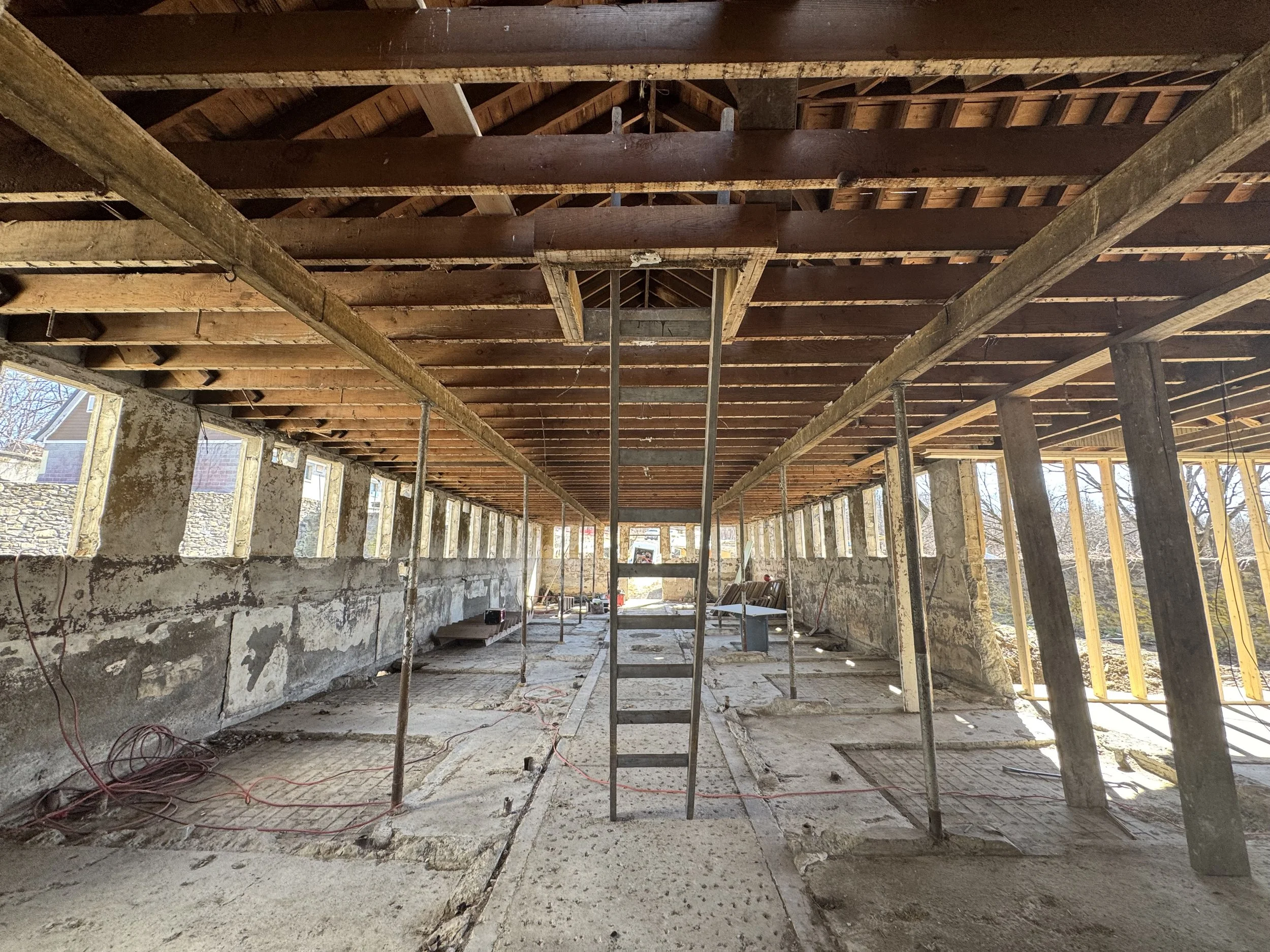
Historic retrofits
Commercial and hospitality spaces
Agricultural and production buildings
Multifamily and mixed-use developments
Projects like Seminary Hill Cidery, recognized as the world’s first Passive House cidery, demonstrate that high performance is not limited to residential design.
Similarly, adaptive reuse projects like the Bank Lofts show how even 19th-century structures can be reimagined through a high-performance lens without sacrificing their character.
Passive Principles, Not Passive Limitations
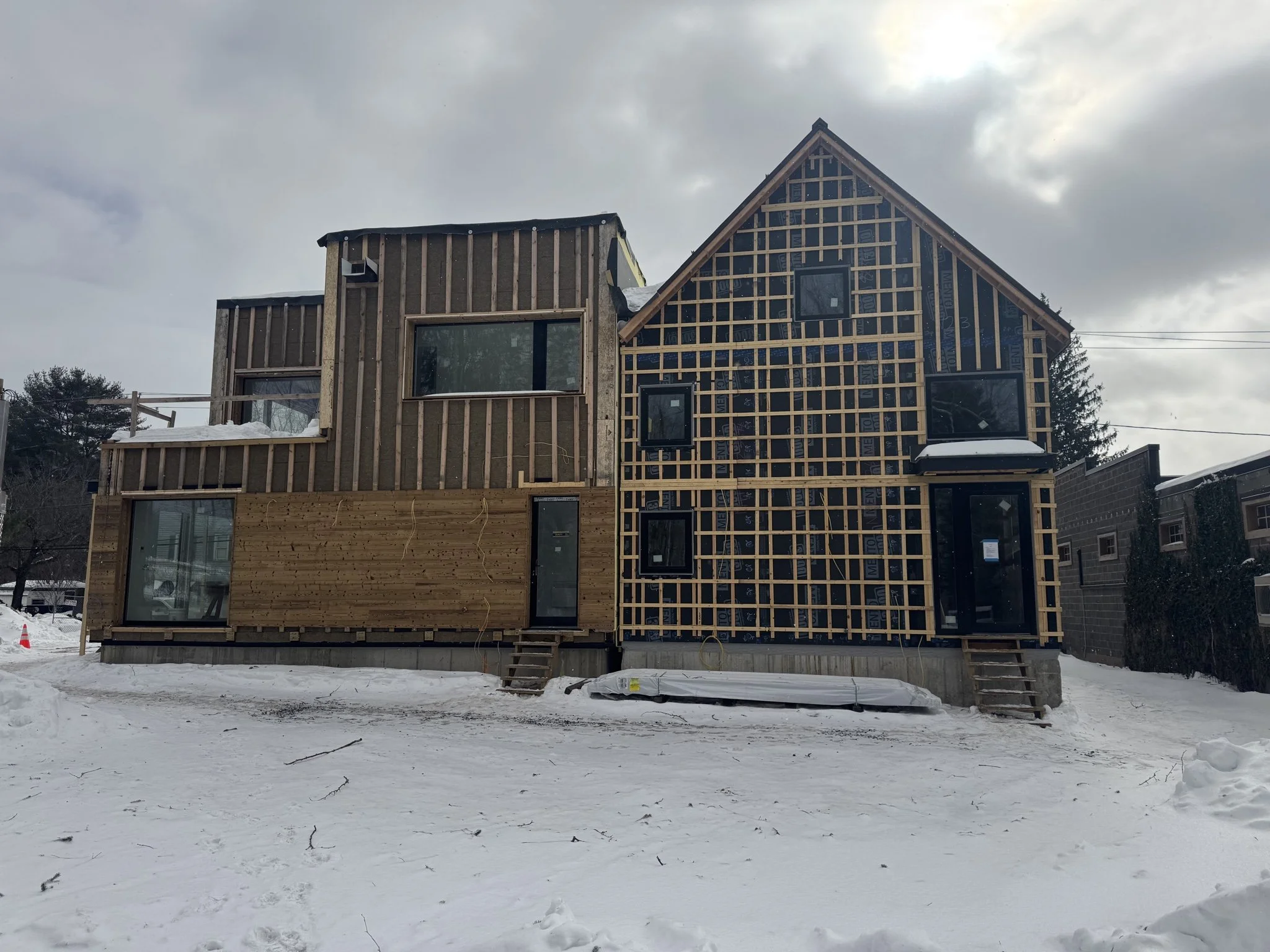
At its core, Passive House relies on a few essential ideas: a super-insulated envelope, airtight construction, high-performance windows, and balanced ventilation.
These principles are deceptively simple, but incredibly powerful when applied thoughtfully.
For us, the design challenge is never whether Passive strategies can work. It’s how to adapt them to the realities of each project:
A historic building with constraints on exterior alterations
A commercial kitchen with high internal heat loads
A rural site with limited infrastructure
A client with a specific aesthetic vision
Each project becomes an opportunity to translate performance into architecture in a way that feels natural, intuitive, and specific to place.
Rethinking What’s Possible
One of the reasons we value our collaboration with Passive House Accelerator is their commitment to broadening the conversation around high-performance design.
The future of Passive House isn’t just about refining details, it’s about expanding applicability.
As more architects, builders, and clients begin to understand that Passive principles can be applied to any building type, the question shifts from “Can we do this?” to “Why wouldn’t we?”
A Practical Path Forward
Passive design is often described as cutting-edge, but in many ways it’s refreshingly straightforward. It prioritizes durable materials, careful detailing, and long-term performance over mechanical complexity.
The result is architecture that is not only energy-efficient, but also resilient, comfortable, and deeply aligned with how buildings should function.
At River Architects, we see Passive House not as a niche, but as a baseline. A way of building that simply makes sense.
And as we continue to explore new building types and typologies, we remain focused on the same goal: creating spaces that perform beautifully, feel effortless to occupy, and stand the test of time.